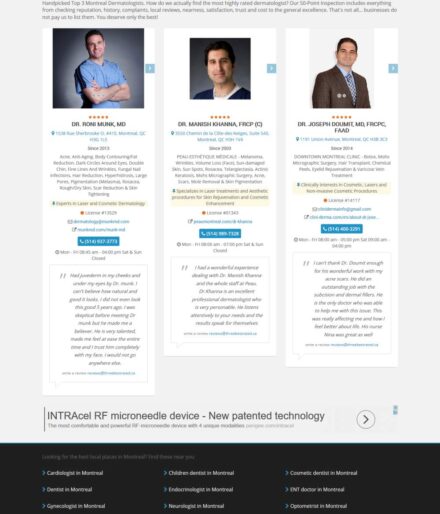
CHOOSE YOUR CLINIC
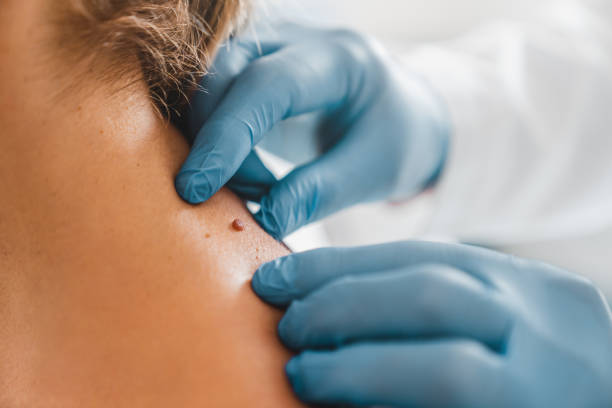
Skin problems can be uncomfortable, visible, and difficult to understand without a professional medical assessment. Persistent redness, recurring rashes, changing lesions, or acne that does not respond to ordinary treatments may require a dermatology consultation.
Seeing a private dermatologist may help patients obtain an assessment sooner and discuss treatment options suited to their condition.
A dermatology consultation may be appropriate when a skin problem persists, becomes worse, or affects daily life.
Common reasons for seeking care include:
Patients do not need to wait until a condition becomes severe before requesting an evaluation.
A private dermatology clinic may be useful for patients who want a shorter waiting time or access to services that may not be available quickly through the public healthcare system.
Depending on the clinic, private dermatology may offer:
Services, fees, and appointment availability may differ between clinics. Patients should confirm these details before booking.
Good preparation helps the dermatologist understand the condition and recommend appropriate care.
Before the appointment, write down:
When symptoms are not always visible, clear photographs taken during a flare-up may be helpful.
Patients may also bring a list of skincare products, creams, cleansers, topical medications, and supplements they currently use.
The dermatologist will usually begin by asking questions about the symptoms, medical history, and previous treatments.
The affected area will then be examined. Depending on the findings, the dermatologist may recommend:
A diagnosis cannot always be confirmed immediately. Some skin conditions look similar and may require further investigation.
The appointment is also an opportunity to understand the condition and treatment plan more clearly.
Patients may wish to ask:
Patients should ask for further explanation whenever instructions are unclear.
Before confirming the appointment, patients should ask about:
Tests, procedures, and treatments may not be included in the initial consultation fee.
Confirming the costs in advance can help prevent misunderstandings.
Following the consultation, patients should use the prescribed treatment according to the dermatologist’s instructions. Some dermatological conditions require time before noticeable improvement occurs.
It is important to follow:
Patients should contact the clinic if they develop a significant side effect or if their condition becomes worse. They should not stop or change a prescribed treatment without medical advice.
Clear communication is important when a patient has questions about fees, treatment, diagnosis, or the consultation experience.
The most appropriate approach is to contact the clinic directly. This allows the team to review the patient’s file and respond privately.
Public platforms are not ideal for discussing medical matters because clinics must protect personal information and may be unable to publicly address the details of a patient’s case.
When a clinic encounters an online review that appears false, misleading, or potentially inconsistent with platform policies, it may consult a professional online review management service to assess the content and follow the appropriate reporting procedure.
Before scheduling an appointment, patients should review the clinic’s services and confirm that they match their needs.
Useful details to check include:
A professional clinic should be able to answer these questions clearly before the appointment.
Seeing a private dermatologist may be a helpful option when a skin condition requires specialist attention or when a patient wants an earlier appointment.
Good preparation, realistic expectations, and clear communication with the clinic can help patients make better use of the consultation and understand the next steps in their care.